

Tag: Self-Love

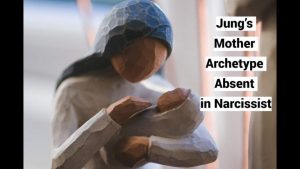
Narcissism: Jung’s Mother Archetype Absent

In this video, the speaker discussed Carl Gustav Jung’s concept of the mother archetype, emphasizing its complexity beyond the typical nurturing and loving image, highlighting its role in self-love and individuation. The speaker explained how the archetype represents internal self-nurturing qualities, contrasting this with pathological narcissism, where individuals fail to internalize a good maternal figure and instead seek external validation. They also noted Jung’s warning about the negative aspects of the mother archetype, where it can become possessive and hinder individuation, contributing to psychological difficulties. Narcissism: Jung’s Mother Archetype Absent

Read More »

Serial idealizers, Anxious People-pleasers, Addicts: NOT Narcissists

In this lecture, the speaker, Sam Dagny, explores misunderstood behaviors often mistaken for pathological narcissism, focusing on serial idealizers, anxious people pleasers, addicts, and individuals with borderline personality disorder. He differentiates these groups by highlighting their unique psychodynamic processes, such as the serial idealizers’ rapid fantasy creation, people pleasers’ anxiety-driven boundarylessness, addicts’ denial of control, and borderlines’ fear of abandonment and engulfment. The talk emphasizes that grandiosity, while common in narcissism, also appears in various other mental health disorders, cautioning against conflating grandiosity with narcissism itself.

Read More »

Sam and Lidija: Parents of Narcissistic Abuse Field (with J.S. Wolfe)

In this in-depth discussion, Sam Vaknin and Lydia Rangalowska explored the complexities of narcissistic personality disorder, including its origins, emotional dynamics, and impact on relationships, emphasizing the internalized nature of narcissistic perceptions and behaviors. They highlighted the challenges faced by partners of narcissists, the interplay between different personality disorders, and the psychological mechanisms narcissists use to manipulate and sustain their distorted self-concept. The conversation also addressed misconceptions about empathy, the fluidity of personality disorders, and the difficulties in individuation for those enmeshed with narcissistic parents.

Read More »