
Bribing Your Abuser with Your Dependency, Submission
Overview Focused on two main topics: the promotion of two free books published by the Vaknin Rangalowska Foundation and a detailed discussion on the dynamics


Overview Focused on two main topics: the promotion of two free books published by the Vaknin Rangalowska Foundation and a detailed discussion on the dynamics

Summary on Narcissistic Abuse and Victim Experience Nature of Narcissistic Abuse Narcissistic abuse is depicted as a transactional relationship where the victim is a replaceable

Therapeutic Effects of Delusions and Fantasies Delusions and fantasies have anxiolytic and anti-depressant effects, improving an individual’s sense of safety, stability, functionality, and happiness [00:20].

Psychodynamic Diagnostic Manual (PDM) Views on Narcissistic and Borderline Personalities 1. Overview of Diagnostic Manuals and PDM Development Discussion on various diagnostic manuals: ICD-11, DSM,

Summary: Differences Between Psychopath and Narcissist Charm Introduction to Charm in Psychopaths and Narcissists Psychopaths and narcissists, including some psychologists, are described as charming individuals.
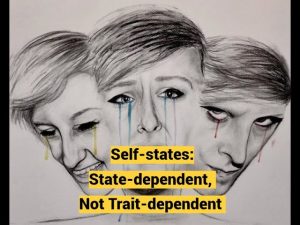
1. Nature of Self States Self states are transient and reactive to environmental changes, not permanent or hereditary. They respond adaptively to changing circumstances, new

The speaker explained that narcissists harbor profound contempt toward others as a projection of their own shame, which stems from a deep-rooted sense of helplessness caused by trauma and abuse. This contempt allows narcissists to avoid embracing shame, thereby maintaining a false sense of moral and intellectual superiority while remaining stuck in a victim mentality. Additionally, the speaker differentiated contempt from grandiosity in narcissism, highlighting that grandiosity can be motivational and linked to uniqueness, whereas contempt is an attitudinal defense mechanism projecting perceived inferiority onto others.

The discussion focused on somatization and its connection to psychological trauma, particularly narcissistic abuse, explaining how psychological distress can manifest as physical symptoms without an identifiable medical cause. It detailed the evolution of related diagnoses from somatization disorder and conversion disorder to somatic symptom disorder and functional neurological symptom disorder, highlighting the psychological roots often dismissed in modern diagnostic manuals. Emphasis was placed on the complexity of these disorders, their impact on victims, and the frequent misinterpretation or invalidation of symptoms by medical professionals.

The speaker highlighted key differences between narcissists and psychopaths, emphasizing how narcissists manipulate external reality to distort a victim’s internal perception, whereas psychopaths manipulate internal realities to distort external perception. Narcissistic abuse often results in profound, lasting trauma that shatters the victim’s identity, requiring extensive psychological reconstruction, while psychopathic abuse typically causes external harm akin to PTSD. The speaker also warned against glorifying powerful narcissists, noting that many are malignant and harmful despite their public image.

In the meeting, the speaker explained how people pleasers, often driven by distorted cognitive patterns rooted in childhood parentification, are easily manipulated through clear communication of expectations, intermittent reinforcement of pleasure, and expressions of profound disappointment. People pleasers harbor automatic thoughts such as needing to earn happiness, bribing others for acceptance, and compromising boundaries due to feelings of unworthiness and responsibility for others’ well-being. The discussion also explored the psychological constructs and self-states that sustain people pleasing behavior, emphasizing its role as a coping mechanism rather than a conscious choice.