Innovation requires a combination of several psychological traits, constructs, and dynamic processes, without which it is impossible to innovate. Innovators possess a unique blend of sometimes mutually exclusive psychological demands. [00:00]
2. Importance of Expertise and Knowledge
Innovation depends heavily on profound experience, expertise, and the accumulation of prior knowledge, including scientific understanding and awareness of previous innovations. This learning process is external and theoretically accessible to anyone. [00:20]
Applying for patents demands evidence of familiarity with prior state-of-the-art knowledge, highlighting the significance of deep learning and erudition. [00:30]
3. Psychological Traits Unique to Innovators
a. Humility
Contrary to the stereotype of innovators as megalomaniacs or grandiose figures, true innovators are naturally humble. They see themselves as explorers standing on the shoulders of giants, acknowledging the millennia of natural and scholarly work before them. [01:00]
Humility allows innovators to recognize their knowledge gaps and fosters learning, personal growth, and self-improvement, which are essential for innovation. [01:15]
b. Sense of Wonder, Curiosity, and Open-mindedness
Innovators are characterized by lifelong curiosity, which only intensifies with experience and exposure, unlike most people whose curiosity diminishes after childhood. [01:40]
They maintain a sense of awe and wonder towards the universe, viewing reality as an enigmatic puzzle to decipher, akin to a romantic relationship filled with mystery and discovery. [02:05]
Open-mindedness is a critical personality dimension for innovators, enabling them to embrace new ideas and possibilities. [01:45]
c. Synoptic View
Innovators possess the ability to connect diverse concepts, prior knowledge, and alternatives in novel ways, leading to the emergence of new ideas. [02:30]
This synoptic view is analogous to chemical synthesis (e.g., combining hydrogen and oxygen to form water), creating synergy from existing elements. [02:40]
4. Innovators vs. Entrepreneurs
Innovators tend not to be effective businessmen or entrepreneurs because they focus on nuances and risks instead of adopting a tunnel vision perspective typical of successful entrepreneurs. [03:00]
Successful entrepreneurs focus on a single alternative and charge forward despite risks, while innovators weigh multiple alternatives and dwell on potential dangers. [03:15]
As a result, innovators often need entrepreneurial partners to successfully bring their inventions to market and realize financial benefits. [03:25]
Innovator
Summary on Psychological Traits of Innovators
1. Uniqueness and Complexity of Innovation
Innovation requires a combination of several psychological traits, constructs, and dynamic processes, without which it is impossible to innovate. Innovators possess a unique blend of sometimes mutually exclusive psychological demands. [00:00]
2. Importance of Expertise and Knowledge
Innovation depends heavily on profound experience, expertise, and the accumulation of prior knowledge, including scientific understanding and awareness of previous innovations. This learning process is external and theoretically accessible to anyone. [00:20]
Applying for patents demands evidence of familiarity with prior state-of-the-art knowledge, highlighting the significance of deep learning and erudition. [00:30]
3. Psychological Traits Unique to Innovators
a. Humility
Contrary to the stereotype of innovators as megalomaniacs or grandiose figures, true innovators are naturally humble. They see themselves as explorers standing on the shoulders of giants, acknowledging the millennia of natural and scholarly work before them. [01:00]
Humility allows innovators to recognize their knowledge gaps and fosters learning, personal growth, and self-improvement, which are essential for innovation. [01:15]
b. Sense of Wonder, Curiosity, and Open-mindedness
Innovators are characterized by lifelong curiosity, which only intensifies with experience and exposure, unlike most people whose curiosity diminishes after childhood. [01:40]
They maintain a sense of awe and wonder towards the universe, viewing reality as an enigmatic puzzle to decipher, akin to a romantic relationship filled with mystery and discovery. [02:05]
Open-mindedness is a critical personality dimension for innovators, enabling them to embrace new ideas and possibilities. [01:45]
c. Synoptic View
Innovators possess the ability to connect diverse concepts, prior knowledge, and alternatives in novel ways, leading to the emergence of new ideas. [02:30]
This synoptic view is analogous to chemical synthesis (e.g., combining hydrogen and oxygen to form water), creating synergy from existing elements. [02:40]
4. Innovators vs. Entrepreneurs
Innovators tend not to be effective businessmen or entrepreneurs because they focus on nuances and risks instead of adopting a tunnel vision perspective typical of successful entrepreneurs. [03:00]
Successful entrepreneurs focus on a single alternative and charge forward despite risks, while innovators weigh multiple alternatives and dwell on potential dangers. [03:15]
As a result, innovators often need entrepreneurial partners to successfully bring their inventions to market and realize financial benefits. [03:25]
Summary on Psychological Traits of Innovators
1. Uniqueness and Complexity of Innovation
Innovation requires a combination of several psychological traits, constructs, and dynamic processes, without which it is impossible to innovate. Innovators possess a unique blend of sometimes mutually exclusive psychological demands. [00:00]
2. Importance of Expertise and Knowledge
Innovation depends heavily on profound experience, expertise, and the accumulation of prior knowledge, including scientific understanding and awareness of previous innovations. This learning process is external and theoretically accessible to anyone. [00:20]
Applying for patents demands evidence of familiarity with prior state-of-the-art knowledge, highlighting the significance of deep learning and erudition. [00:30]
3. Psychological Traits Unique to Innovators
a. Humility
Contrary to the stereotype of innovators as megalomaniacs or grandiose figures, true innovators are naturally humble. They see themselves as explorers standing on the shoulders of giants, acknowledging the millennia of natural and scholarly work before them. [01:00]
Humility allows innovators to recognize their knowledge gaps and fosters learning, personal growth, and self-improvement, which are essential for innovation. [01:15]
b. Sense of Wonder, Curiosity, and Open-mindedness
Innovators are characterized by lifelong curiosity, which only intensifies with experience and exposure, unlike most people whose curiosity diminishes after childhood. [01:40]
They maintain a sense of awe and wonder towards the universe, viewing reality as an enigmatic puzzle to decipher, akin to a romantic relationship filled with mystery and discovery. [02:05]
Open-mindedness is a critical personality dimension for innovators, enabling them to embrace new ideas and possibilities. [01:45]
c. Synoptic View
Innovators possess the ability to connect diverse concepts, prior knowledge, and alternatives in novel ways, leading to the emergence of new ideas. [02:30]
This synoptic view is analogous to chemical synthesis (e.g., combining hydrogen and oxygen to form water), creating synergy from existing elements. [02:40]
4. Innovators vs. Entrepreneurs
Innovators tend not to be effective businessmen or entrepreneurs because they focus on nuances and risks instead of adopting a tunnel vision perspective typical of successful entrepreneurs. [03:00]
Successful entrepreneurs focus on a single alternative and charge forward despite risks, while innovators weigh multiple alternatives and dwell on potential dangers. [03:15]
As a result, innovators often need entrepreneurial partners to successfully bring their inventions to market and realize financial benefits. [03:25]
Summary on Psychological Traits of Innovators
1. Uniqueness and Complexity of Innovation
Innovation requires a combination of several psychological traits, constructs, and dynamic processes, without which it is impossible to innovate. Innovators possess a unique blend of sometimes mutually exclusive psychological demands. [00:00]
2. Importance of Expertise and Knowledge
Innovation depends heavily on profound experience, expertise, and the accumulation of prior knowledge, including scientific understanding and awareness of previous innovations. This learning process is external and theoretically accessible to anyone. [00:20]
Applying for patents demands evidence of familiarity with prior state-of-the-art knowledge, highlighting the significance of deep learning and erudition. [00:30]
3. Psychological Traits Unique to Innovators
a. Humility
Contrary to the stereotype of innovators as megalomaniacs or grandiose figures, true innovators are naturally humble. They see themselves as explorers standing on the shoulders of giants, acknowledging the millennia of natural and scholarly work before them. [01:00]
Humility allows innovators to recognize their knowledge gaps and fosters learning, personal growth, and self-improvement, which are essential for innovation. [01:15]
b. Sense of Wonder, Curiosity, and Open-mindedness
Innovators are characterized by lifelong curiosity, which only intensifies with experience and exposure, unlike most people whose curiosity diminishes after childhood. [01:40]
They maintain a sense of awe and wonder towards the universe, viewing reality as an enigmatic puzzle to decipher, akin to a romantic relationship filled with mystery and discovery. [02:05]
Open-mindedness is a critical personality dimension for innovators, enabling them to embrace new ideas and possibilities. [01:45]
c. Synoptic View
Innovators possess the ability to connect diverse concepts, prior knowledge, and alternatives in novel ways, leading to the emergence of new ideas. [02:30]
This synoptic view is analogous to chemical synthesis (e.g., combining hydrogen and oxygen to form water), creating synergy from existing elements. [02:40]
4. Innovators vs. Entrepreneurs
Innovators tend not to be effective businessmen or entrepreneurs because they focus on nuances and risks instead of adopting a tunnel vision perspective typical of successful entrepreneurs. [03:00]
Successful entrepreneurs focus on a single alternative and charge forward despite risks, while innovators weigh multiple alternatives and dwell on potential dangers. [03:15]
As a result, innovators often need entrepreneurial partners to successfully bring their inventions to market and realize financial benefits. [03:25]
Summary on Psychological Traits of Innovators
1. Uniqueness and Complexity of Innovation
Innovation requires a combination of several psychological traits, constructs, and dynamic processes, without which it is impossible to innovate. Innovators possess a unique blend of sometimes mutually exclusive psychological demands. [00:00]
2. Importance of Expertise and Knowledge
Innovation depends heavily on profound experience, expertise, and the accumulation of prior knowledge, including scientific understanding and awareness of previous innovations. This learning process is external and theoretically accessible to anyone. [00:20]
Applying for patents demands evidence of familiarity with prior state-of-the-art knowledge, highlighting the significance of deep learning and erudition. [00:30]
3. Psychological Traits Unique to Innovators
a. Humility
Contrary to the stereotype of innovators as megalomaniacs or grandiose figures, true innovators are naturally humble. They see themselves as explorers standing on the shoulders of giants, acknowledging the millennia of natural and scholarly work before them. [01:00]
Humility allows innovators to recognize their knowledge gaps and fosters learning, personal growth, and self-improvement, which are essential for innovation. [01:15]
b. Sense of Wonder, Curiosity, and Open-mindedness
Innovators are characterized by lifelong curiosity, which only intensifies with experience and exposure, unlike most people whose curiosity diminishes after childhood. [01:40]
They maintain a sense of awe and wonder towards the universe, viewing reality as an enigmatic puzzle to decipher, akin to a romantic relationship filled with mystery and discovery. [02:05]
Open-mindedness is a critical personality dimension for innovators, enabling them to embrace new ideas and possibilities. [01:45]
c. Synoptic View
Innovators possess the ability to connect diverse concepts, prior knowledge, and alternatives in novel ways, leading to the emergence of new ideas. [02:30]
This synoptic view is analogous to chemical synthesis (e.g., combining hydrogen and oxygen to form water), creating synergy from existing elements. [02:40]
4. Innovators vs. Entrepreneurs
Innovators tend not to be effective businessmen or entrepreneurs because they focus on nuances and risks instead of adopting a tunnel vision perspective typical of successful entrepreneurs. [03:00]
Successful entrepreneurs focus on a single alternative and charge forward despite risks, while innovators weigh multiple alternatives and dwell on potential dangers. [03:15]
As a result, innovators often need entrepreneurial partners to successfully bring their inventions to market and realize financial benefits. [03:25]
Summary on Psychological Traits of Innovators
1. Uniqueness and Complexity of Innovation
Innovation requires a combination of several psychological traits, constructs, and dynamic processes, without which it is impossible to innovate. Innovators possess a unique blend of sometimes mutually exclusive psychological demands. [00:00]
2. Importance of Expertise and Knowledge
Innovation depends heavily on profound experience, expertise, and the accumulation of prior knowledge, including scientific understanding and awareness of previous innovations. This learning process is external and theoretically accessible to anyone. [00:20]
Applying for patents demands evidence of familiarity with prior state-of-the-art knowledge, highlighting the significance of deep learning and erudition. [00:30]
3. Psychological Traits Unique to Innovators
a. Humility
Contrary to the stereotype of innovators as megalomaniacs or grandiose figures, true innovators are naturally humble. They see themselves as explorers standing on the shoulders of giants, acknowledging the millennia of natural and scholarly work before them. [01:00]
Humility allows innovators to recognize their knowledge gaps and fosters learning, personal growth, and self-improvement, which are essential for innovation. [01:15]
b. Sense of Wonder, Curiosity, and Open-mindedness
Innovators are characterized by lifelong curiosity, which only intensifies with experience and exposure, unlike most people whose curiosity diminishes after childhood. [01:40]
They maintain a sense of awe and wonder towards the universe, viewing reality as an enigmatic puzzle to decipher, akin to a romantic relationship filled with mystery and discovery. [02:05]
Open-mindedness is a critical personality dimension for innovators, enabling them to embrace new ideas and possibilities. [01:45]
c. Synoptic View
Innovators possess the ability to connect diverse concepts, prior knowledge, and alternatives in novel ways, leading to the emergence of new ideas. [02:30]
This synoptic view is analogous to chemical synthesis (e.g., combining hydrogen and oxygen to form water), creating synergy from existing elements. [02:40]
4. Innovators vs. Entrepreneurs
Innovators tend not to be effective businessmen or entrepreneurs because they focus on nuances and risks instead of adopting a tunnel vision perspective typical of successful entrepreneurs. [03:00]
Successful entrepreneurs focus on a single alternative and charge forward despite risks, while innovators weigh multiple alternatives and dwell on potential dangers. [03:15]
As a result, innovators often need entrepreneurial partners to successfully bring their inventions to market and realize financial benefits. [03:25]
Summary on Psychological Traits of Innovators
1. Uniqueness and Complexity of Innovation
Innovation requires a combination of several psychological traits, constructs, and dynamic processes, without which it is impossible to innovate. Innovators possess a unique blend of sometimes mutually exclusive psychological demands. [00:00]
2. Importance of Expertise and Knowledge
Innovation depends heavily on profound experience, expertise, and the accumulation of prior knowledge, including scientific understanding and awareness of previous innovations. This learning process is external and theoretically accessible to anyone. [00:20]
Applying for patents demands evidence of familiarity with prior state-of-the-art knowledge, highlighting the significance of deep learning and erudition. [00:30]
3. Psychological Traits Unique to Innovators
a. Humility
Contrary to the stereotype of innovators as megalomaniacs or grandiose figures, true innovators are naturally humble. They see themselves as explorers standing on the shoulders of giants, acknowledging the millennia of natural and scholarly work before them. [01:00]
Humility allows innovators to recognize their knowledge gaps and fosters learning, personal growth, and self-improvement, which are essential for innovation. [01:15]
b. Sense of Wonder, Curiosity, and Open-mindedness
Innovators are characterized by lifelong curiosity, which only intensifies with experience and exposure, unlike most people whose curiosity diminishes after childhood. [01:40]
They maintain a sense of awe and wonder towards the universe, viewing reality as an enigmatic puzzle to decipher, akin to a romantic relationship filled with mystery and discovery. [02:05]
Open-mindedness is a critical personality dimension for innovators, enabling them to embrace new ideas and possibilities. [01:45]
c. Synoptic View
Innovators possess the ability to connect diverse concepts, prior knowledge, and alternatives in novel ways, leading to the emergence of new ideas. [02:30]
This synoptic view is analogous to chemical synthesis (e.g., combining hydrogen and oxygen to form water), creating synergy from existing elements. [02:40]
4. Innovators vs. Entrepreneurs
Innovators tend not to be effective businessmen or entrepreneurs because they focus on nuances and risks instead of adopting a tunnel vision perspective typical of successful entrepreneurs. [03:00]
Successful entrepreneurs focus on a single alternative and charge forward despite risks, while innovators weigh multiple alternatives and dwell on potential dangers. [03:15]
As a result, innovators often need entrepreneurial partners to successfully bring their inventions to market and realize financial benefits. [03:25]
Understanding this integrated framework of shared fantasy and dual mothership provides crucial insights for those entangled in narcissistic relationships: The confusing fluctuations between idealization and devaluation are part of
The current evidence suggests that Complex PTSD, Borderline Personality Disorder, and related personality disorders exist on a trauma spectrum with overlapping features. Instead of viewing them as separate entities, it
Narcissism is best understood not as a stable personality but as a dynamic, automated process of mask-changing without any core self beneath. The narcissist is a “mask colony,” a hollow
Relationships with narcissists are challenging and often traumatic, but survival and recovery are possible. The key lies in understanding narcissistic dynamics, protecting your boundaries, and reclaiming control over your life
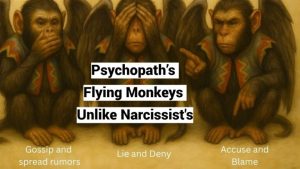
While narcissistic and psychopathic flying monkeys fulfill similar roles as enforcers and manipulators, the underlying motivations and dynamics differ significantly. Narcissistic flying monkeys aim to uphold a fragile, grandiose self,
Understanding why some individuals choose stalkers and abusers as partners requires compassion and a nuanced view of human psychology. These relationships are rooted in deep emotional wounds, profound loneliness, and